Welcome to Nigeria
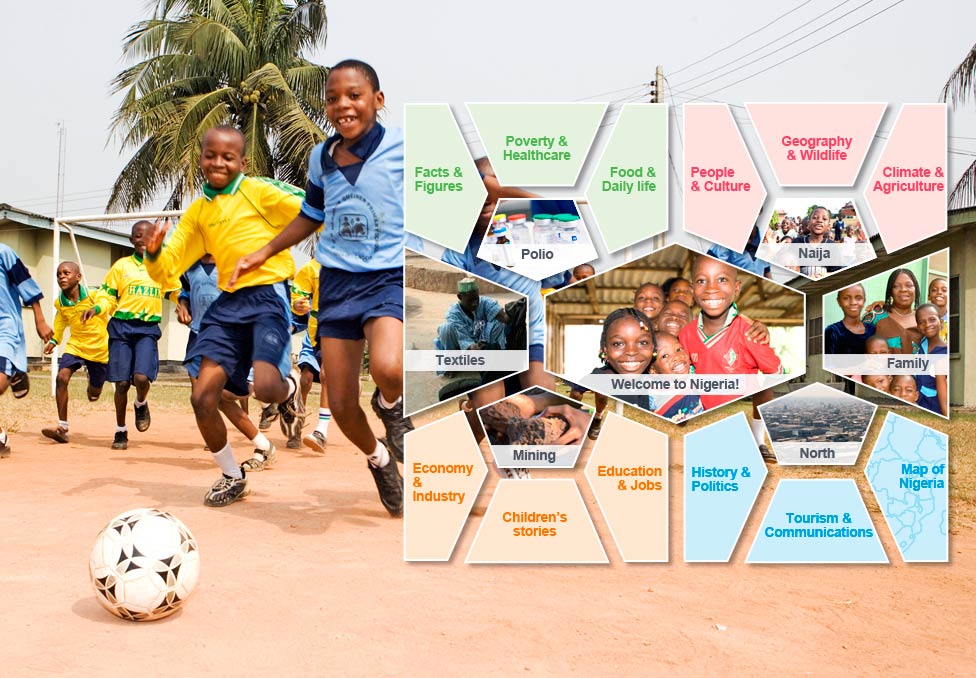
Click on the topic tiles to find out about the history, people and natural environment, as well as some of the issues facing Nigeria today.
We haven't had chance to conduct a children's filming workshop, so there aren't any videos. But there's lots of information for learning more about this vast and populous country.
-
Filming workshops
SOS Children's Villages have been running filming workshops to show children how to make their own films. This country has yet to be visited, but take a look at some videos made by children in nearby countries.
-
The Family
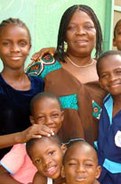
The family is of central importance to Nigerians and children are considered life’s richest blessing by most cultures.
-
21st century peace
After thirty years of army coups and military-led governments, Nigeria adopted civilian rule in 1999 and hopes for greater stability in the 21st century.
-
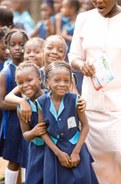
Education is key
Nigerians value education and see it as the main way to improve the life of individuals and to develop the nation, though greater investment in schools and universities is required.
-
A populous country
At over 920,000 square kilometres, Nigeria is a large country, one and a half times the size of France. It also has a huge population, the largest on the continent; with around 160 million people, one in every six Africans is Nigerian.
-
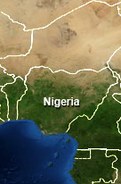
Explore Nigeria
Explore the map of Nigeria to find out more about some of the country's geographical features, parks and cities.
-
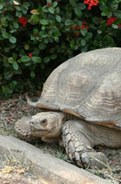
Embattled nature
Nigeria’s natural biodiversity is threatened by high rates of deforestation and the hunting of wildlife.
-
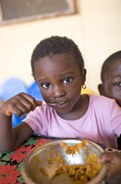
Lifestyle
Though cultural and religious factors are important, it’s often money or the lack of money which dictates how a Nigerian will live.
-
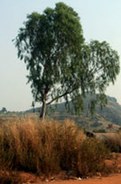
Agricultural decline
With plenty of land and high amounts of rainfall in many areas, Nigeria has the potential to produce enough food to meet domestic needs, but lack of investment in agriculture means the country is currently one of the largest importers of food.
-
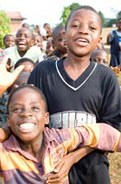
New generation
The word ‘Naija’ has been adopted by the young generation as a way to describe anything which is new and different in Nigeria and not part of the old ways of doing things.
-
Northern poverty
In some northern regions of Nigeria, over three-quarters of people live below the poverty line.
-
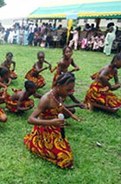
A melting pot
With over 250 different ethnic groups, Nigeria is a melting pot of different people and cultures, though the Muslim and Christian religions provide a connection between groups across the north and south.
-
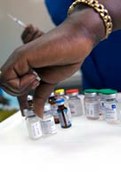
An endemic disease
Nigeria is the last country in Africa where polio is endemic, which means the disease has never been eradicated in certain regions.
-
Rising poverty
Despite Nigeria’s growing economy and oil wealth, the number of poor is rising in the country, with nearly two-thirds of people living in absolute poverty.
-
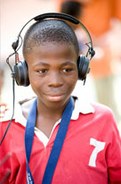
Staying up-to-date
Nigeria has a lively communications scene, with hundreds of radio and television stations and newspapers, plus an increasing number of internet sites, mostly accessed via mobile phones.
-
To find out about Nigeria, click on the topic tiles and features, which give a picture of the country today and the challenges it faces. We haven't had chance to conduct a children's filming workshop, so there aren't any videos just yet. But there's lots of information for learning more about Nigeria.
-
Rich in oil?
Nigeria is fast becoming one of the wealthiest nations from its oil. But many would say this has not made the country ‘rich’ because the majority of ordinary people still live in poverty.
-
Fashion
Nigerians have long cherished colour and pattern in their clothing and there are a number of traditional methods for dying cloth and creating designs. But though still important in some places, local textile industries are generally in decline.
-
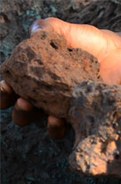
Mining dangers
As in many African countries, artisan mining is common in Nigeria; this is where individual miners pan or dig for precious metals or gems. But sometimes this activity comes at a cost.