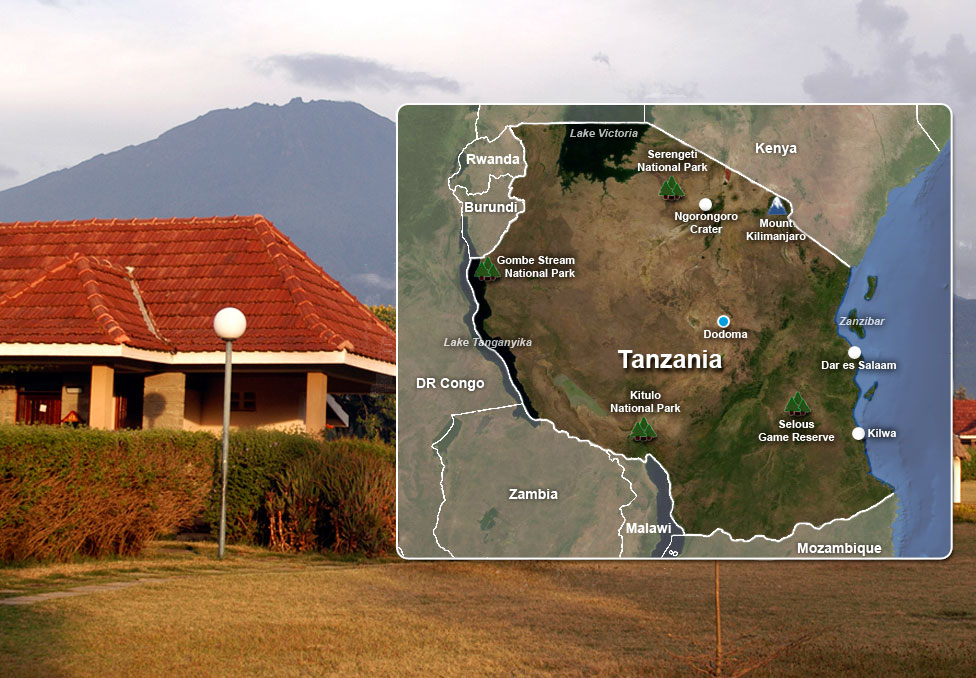
Wildlife parks and reserves are spread all over Tanzania; on the map, you'll find information about four of the best-known – the Serengeti, Selous, Kitulo and Gombe Stream national parks. You can also discover more about other amazing natural features such as Mount Kilimanjaro, Ngorongoro Crater and the two great lakes of Victoria and Tanganyika, as well as important cultural and social centres like Zanzibar, Dodoma and Dar es Salaam.
-
Explore Mozambique
Visitors to Mozambique often stay along the country’s coastline, which boasts some of the country’s key attractions. But you’ll see from the map there are also many places of interest inland.
-
Explore Malawi
Discover some of Malawi’s most important places and features, such as Lake Malawi, which runs almost the entire length of the country.
-
Explore Rwanda
Discover some of Rwanda’s key attractions, cities and places of interest. Kigali is the capital city and is currently undergoing a lot of redevelopment. Rwanda boasts some amazing wildlife reserves including the Volcanoes National Park. Here you can see mountain gorillas among many other animals.
-
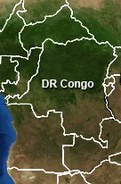
Explore DR Congo
Click the map points and find out more about some of the country's key towns, rivers and wildlife areas, many of which have National Park status.
-
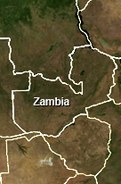
Explore Zambia
Find out about some key places in Zambia, such as Victoria Falls, one of the seven natural wonders of the world.
-
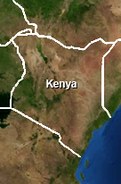
Explore Kenya
Kenya is a popular tourist destination because of its many national parks and game reserves. Discover a little more about some of these.
The map also has a few of Kenya's key towns and cities. As well as being a hub for business, the capital Nairobi, has one of the largest slums in Africa, Kibera.
-
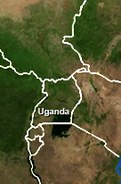
Explore Uganda
Have a look and explore some of Uganda’s main attractions, cities and the country’s plentiful wildlife and national parks.
-
The small fishing village of Kilwa Masoko lies close to the remains of a once powerful Islamic trading centre called Kilwa Kiswani (‘Kilwa on the Island’) – see History & Politics. In medieval times, this was the seat of sultans and grew rich from the trade in gold and other African goods. Later, it became a trading port for slaves. The ruins at Kilwa are listed by UNESCO as a site of historical importance.